You will be able to validate your attendance (Check-In to sessions) using your personal schedule.
Type:
AIX/Linux 2 clear filter
arrow_back View All Dates
08:00 CEST
09:10 CEST
Key Note AIX/Linux
Tuesday June 16, 2026 09:10 - 10:10 CEST
Speakers 
IBM Power AI and Security Principal, EMEA, IBM Technology Sales, IBM
As the Global Principal IBM Power, David is the primary evangelist for IBM Power in IBM Technology Sales. He regularly meets and presents to a range of audiences, from CxO to new graduates, articulating the value of our solutions. Whether the topic is the existing IBM Power offerings...
Read More →
Senior Technical Account Manager, OpenShift, Red Hat
Alfonso Cancellara is a
Senior Technical Account Manager at
Red Hat, specializing in Red Hat’s
OpenShift Container Platform and cloud-native solutions.
In his role, he works closely with organizations to help them effectively utilize OpenShift, understanding their unique business needs, providing guidance on how OpenShift can address their challenges, and ensuring they achieve their desired outcomes. A key aspect of his work involves...
Read More →
Managing director, eNFence
It is already there.

Executive Director of Product Management, IBM Power, IBM
Wennie Allen is the Executive Director of Product Management for IBM Power. Wennie oversees teams responsible for developing and delivering impactful Power products and offerings, including the Power platform, IBM i, and AIX. She plays a pivotal role in shaping the future of IBM Power...
Read More →
STSM at IBM, IBM Master Inventor, IBM
Sanket Rathi is Chief Architect for AIX development at IBM, with over 25 years of experience in operating systems and platform architecture. He leads the technical strategy and evolution of AIX, focusing on performance, scalability, and enterprise resilience. Sanket drives innovation...
Read More →
10:30 CEST
Understanding RISE with SAP on IBM Power Virtual Server and Surround Workloads
Tuesday June 16, 2026 10:30 - 11:30 CEST
Speakers 
Brand Power SAP SME, IBM FRANCE
"Après quelques années de services SAP sur les infrastructures Power, j'ai rejoint le centre de support Européen afin de promouvoir les solutions SAP sur la plateforme Power.
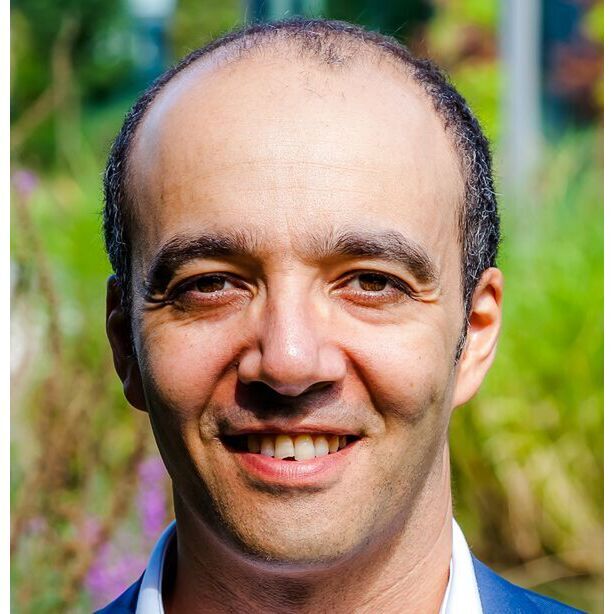
SAP on IBM Cloud Leader, IBM
Ashraf leads IBM's new SAP Cloud ERP offering in France. This solution is based on IBM Cloud Power Virtual Servers and aims at providing clients a path to modernize their ERP while keeping their ERP platform on the trusted Power technology.
Ashraf has over 15 years of experience in technology leadership roles at some of the largest CSPs and NSPs in the world, working with dozens of companies at various stages of their digital transformation journey, through the adoption of Public Cloud and Artifical Intelligence. He advises...
Read More →
11:40 CEST
AI Agents: Best Practices for the Next Era of Software
Tuesday June 16, 2026 11:40 - 12:40 CEST
Speakers 
Head of AI, InnoBoost SA
Mirza Ćutuk, M.Sc., is a Solutions Architect specializing in Data and AI. With a strong background in developing innovative solutions that bridge the gap between technology and societal needs, Mirza has been at the forefront of creating sustainable and impactful technological frameworks...
Read More →
14:00 CEST
Surround and Extend: Using Linux on Power to Modernize Your Core Apps
Tuesday June 16, 2026 14:00 - 15:00 CEST
Speakers 
IBM Power Product Management, IBM
I’m a product leader with deep expertise in enterprise infrastructure and the IBM Power platform. As an IBM Power Product Manager, I focus on modernizing applications with Linux and OpenShift—helping organizations evolve critical workloads while leveraging the performance, security...
Read More →
Product Leader | Strategy | AI | Solution Selling | Fintech | Banking & Modernisation, IBM
15:55 CEST
The Container Diet: Shrinking Container Images on IBM Power for Fun and Profit
Tuesday June 16, 2026 15:55 - 16:55 CEST
Speakers
Senior Technical Account Manager, OpenShift, Red Hat
Alfonso Cancellara is a
Senior Technical Account Manager at
Red Hat, specializing in Red Hat’s
OpenShift Container Platform and cloud-native solutions.
In his role, he works closely with organizations to help them effectively utilize OpenShift, understanding their unique business needs, providing guidance on how OpenShift can address their challenges, and ensuring they achieve their desired outcomes. A key aspect of his work involves...
Read More →
17:05 CEST
AIX Live Update and new features and improvements
Tuesday June 16, 2026 17:05 - 18:05 CEST
Speakers 
Senior AIX Unix engineer, ASN Bank
Working +35 years with IBM Power systems and have gained work experience and knowledge on the following subjects:IBM Champion trird year 2026IBM Champion second year 2025IBM Champion first year 2024Speaker TechExchange 2024, 2025Frequently blog writer (IBM TechExchange and LinkedIn)AIX...
Read More →